
Wednesday, March 20, 2013
Whale Flukes
Flukes are used to ID whales because they are unique to each whale just like a fingerprint is unique to each human. Scientists need this data because it helps to find the whales' migration patterns. The most difficult part of the lab was finding the exact whale fluke that matches when almost all of them look exactly the same. The best way to make this lab better is to add more things to do like come up with a story about each whale fluke you identify.


Coral Bleaching
Warmer water temperatures can result in coral bleaching. When water is
too warm, corals will expel the algae (zooxanthellae) living in their
tissues causing the coral to turn completely white. This is called
coral bleaching. When a coral bleaches, it is not dead. Corals can
survive a bleaching event, but they are under more stress and are
subject to mortality.

4 Problems Caused By Marine Debris
Bottle Caps are eaten by birds because they mistake them as food, and the plastic causes them to starve.

Oil Spills can get oil all over marine life and cause them to have problems feeding and breathing.

Plastic bags can get eaten and get caught around marine life and can end up suffocating them.

Six pack rings can be traps for younger marine life and they can lose parts of their body or become deformed.


Oil Spills can get oil all over marine life and cause them to have problems feeding and breathing.

Plastic bags can get eaten and get caught around marine life and can end up suffocating them.

Six pack rings can be traps for younger marine life and they can lose parts of their body or become deformed.

Little Stinger Of the Sea
Common Name : Portuguese Man-of-war
Scientific Name: Physalia physalis
Adaptations: To avoid threats on the surface, they can deflate their air bags and briefly submerge.
Hunting Strategies: Man-of-wars are found, sometimes in groups of 1,000 or more, floating in warm waters throughout the world's oceans.
Reproduction: The polyps responsible for reproduction are the gonozooids, which are comprised of gonophores; sacs containing either ovaries or testes.
Interesting Facts: The tiny Nomeus gronovii fish is immune to the sting of the Portuguese man-of-war. Portuguese men of war are a food source for some fish and crustaceans that are of commercial value and thus, benefit the economy as well.

I chose it because I have seen them up close in Corpus Christi on a vacation.
Scientific Name: Physalia physalis
Adaptations: To avoid threats on the surface, they can deflate their air bags and briefly submerge.
Hunting Strategies: Man-of-wars are found, sometimes in groups of 1,000 or more, floating in warm waters throughout the world's oceans.
Reproduction: The polyps responsible for reproduction are the gonozooids, which are comprised of gonophores; sacs containing either ovaries or testes.
Interesting Facts: The tiny Nomeus gronovii fish is immune to the sting of the Portuguese man-of-war. Portuguese men of war are a food source for some fish and crustaceans that are of commercial value and thus, benefit the economy as well.

I chose it because I have seen them up close in Corpus Christi on a vacation.
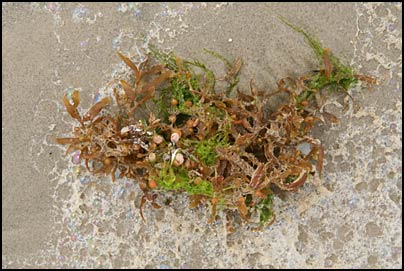
Sea Grass Adaptations
Sea grass provides food for many organisms in the ocean with its detritus. They also provide leaves for marine life. Residents of sea grass ecosystems live in the sea grass
while migrants and travelers only visit sea grass ecosystems sometimes for meals, and they move on somewhere else.


Sea Grass Benefits
1. Sea Grass is home to many types of fish

2. Sea Grass provides detritus for fish.

3. Sea Grass cleanse the water.

4. Sea Grass can be a nursery for coral reef marine life.

5. Sea Grass are a food source for many types of marine life.

2. Sea Grass provides detritus for fish.
3. Sea Grass cleanse the water.

4. Sea Grass can be a nursery for coral reef marine life.

5. Sea Grass are a food source for many types of marine life.

Tuesday, March 5, 2013
Monitor Lizard
The monitor lizard, also known as Varanus Indicus, can be found in Africa and all across Asia, including the surrounding seas. Female monitor lizards bury their eggs in holes or hollow tree stumps that the female monitor lizard then covers with dirt in order to protect her eggs. Monitor lizards can lay up to 30 eggs at a time, although many monitor lizard lay less, and only a lucky few of the monitor lizard babies tend to survive. Their main prey are rodents, snakes, and other lizards. They are apex predators, and use sharp claws and can sometimes be smaller than 20 cm in length. I chose this animal because I am fond of the komodo dragon, which is the largest of the species.


Subscribe to:
Posts (Atom)